
Theatre Is Not a Luxury — It Is the Soul of Ghana
Accra Evening News
There is a dangerous misconception that theatre is little more than an evening’s amusement; a pleasant diversion to be enjoyed when time and money permit. Nothing could be further from the truth. Theatre is one of the oldest institutions of civilisation, and in Ghana it remains one of the surest guardians of our cultural identity. If we neglect it, we do so at our own peril.
Long before the arrival of the printing press, the wireless or the internet, our ancestors gathered to witness stories brought to life through performance. The spoken word, the drum, the dance and the actor became the vessels through which history was remembered, wisdom was transmitted and communities came to understand themselves. Every festival, every royal court and every village square served as a stage upon which society reflected its triumphs, questioned its failings and renewed its values.
That tradition has not lost its relevance. Indeed, in an age overwhelmed by fleeting digital content and shrinking attention spans, live theatre has become more valuable than ever. It demands patience, reflection and human presence. It reminds us that culture cannot be reduced to a scrolling screen or a passing trend. It is something to be experienced collectively, shared openly and preserved faithfully.
For Ghana, theatre is more than performance. It is an instrument of nation-building. It gives voice to our many languages, celebrates our diverse traditions and tells stories rooted in our own experience rather than borrowed from elsewhere. Whether performed in Ewe, Twi, Ga, Dagbani, Nzema or any of our indigenous tongues, theatre keeps alive the rhythms, philosophies and humour that define who we are. Every production becomes an act of cultural preservation.
Our greatest playwrights understood this well. They recognised that the stage could expose corruption without bitterness, question authority without violence and provoke national introspection without division. A well-crafted play does not merely entertain its audience; it compels them to think. It asks difficult questions about leadership, justice, family, faith and the responsibilities of citizenship. In doing so, it performs a public service that few other art forms can equal.
The theatre is also an engine of economic and creative growth. Behind every successful production stand writers, actors, directors, costume makers, musicians, set designers, technicians and countless artisans whose livelihoods depend upon a flourishing cultural sector. A thriving theatre industry enriches tourism, supports local enterprise and projects Ghana’s creative excellence far beyond our borders. Nations that invest in the performing arts invariably discover that culture is not an expense but an asset.
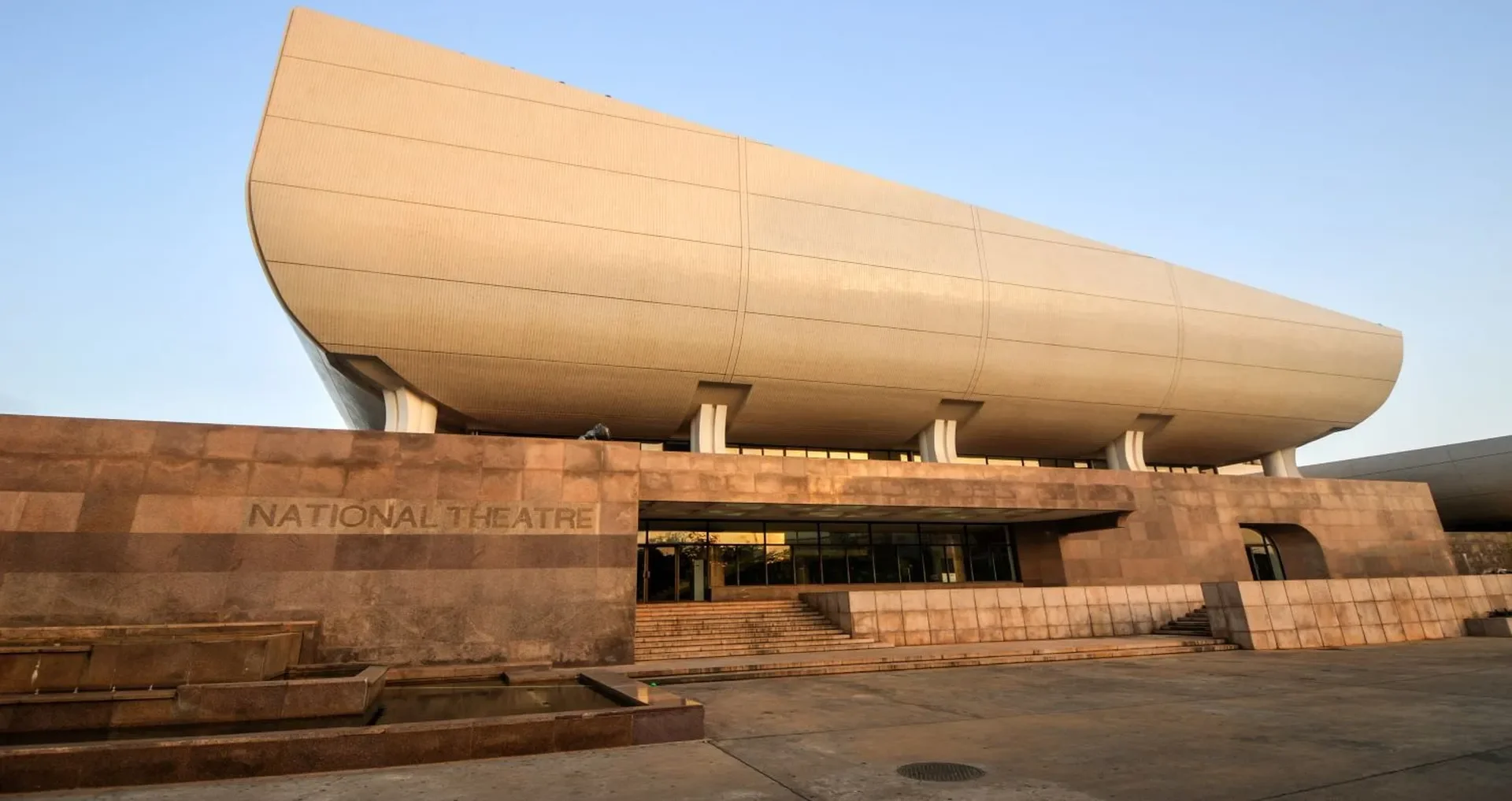
Yet theatre continues to occupy the margins of national policy. Performance venues struggle for support. Drama receives limited attention in many schools. Young playwrights and actors often pursue their craft with little institutional backing. This neglect is neither inevitable nor wise. A country that seeks to preserve its identity must invest in the institutions that sustain it.
Government has a role to play, but so too do businesses, educational institutions and the public. Corporate sponsorship of theatre should be regarded as an investment in Ghana’s cultural capital. Schools should encourage dramatic arts as vigorously as they encourage sport. Local authorities should revive community theatres and cultural centres where young people can discover their voices through performance.
Perhaps most importantly, audiences must return to the theatre. Every ticket purchased is a vote for Ghanaian storytelling. Every applause affirms that our stories matter. Every performance strengthens the bridge between past and future.
A nation is remembered not only by the roads it builds or the wealth it accumulates, but by the stories it chooses to tell. Ghana possesses a rich dramatic tradition that deserves not neglect, but renewal. Theatre is not a relic of yesterday. It is the living heartbeat of our civilisation, a mirror in which we recognise ourselves and a stage upon which we imagine the nation we aspire to become.
If Ghana is to preserve its cultural confidence in the twenty-first century, then the curtain must never fall on its theatre.