
The Lobster Roll Accra Deserves: A Buttery, Brazen Delight Worth Talking About
By V. L. K. Djokoto
Accra is a city that does not eat timidly. It eats with conviction. With rhythm. With that unmistakable delight — that zest for life that turns even the simplest meal into a small celebration. From the peppery insistence of kelewele at dusk to the smoky authority of late-night tilapia, ours is a capital that understands flavour not merely as sustenance, but as theatre.
And yet — somehow, quite remarkably — we have overlooked a dish that arrives not with noise, but with quiet, buttery confidence: the lobster roll.
Now, before anyone raises an eyebrow and mutters something about “foreign things,” let us be clear. This is not an alien imposition. This is seafood — glorious, ocean-born, familiar — simply dressed in its Sunday best.
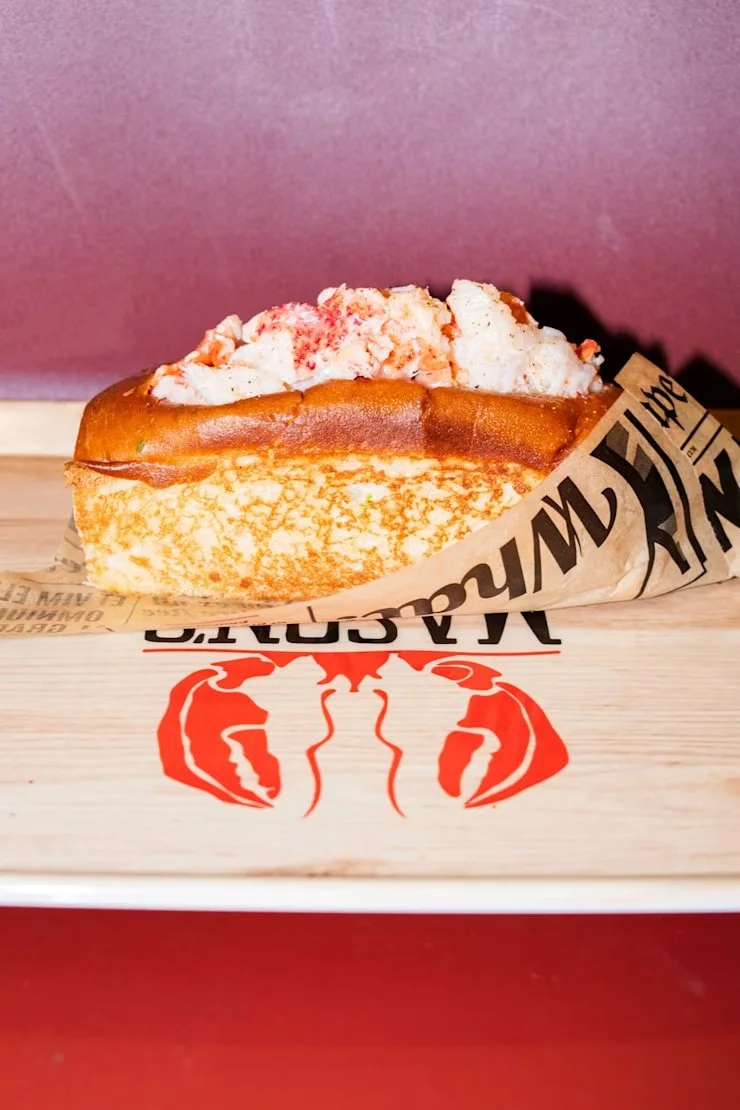
Picture it properly. Not hurriedly. Not carelessly. The lobster is grilled just enough to whisper of fire, its natural sweetness coaxed out rather than bullied into submission. It is then folded — gently, respectfully — into a dressing of mayonnaise, tarragon, and lemon. The mayonnaise lends body, the tarragon a curious, almost mischievous herbal note, and the lemon cuts through it all like a sharp, witty remark at just the right moment.
And then comes the bun.
Not any bun. A split-top brioche — soft, golden, and toasted in butter until it achieves that delicate balance between crisp and cloud-like. It is, if one may say so without exaggeration, the sort of bread that makes you pause mid-bite and nod quietly to yourself, as though confirming a private suspicion that life, after all, is not so bad.
The lobster roll may trace its popular roots to New England, but let us not pretend that Accra is some culinary backwater waiting for permission to adapt a good idea. Far from it. This is a city that has taken everything from rice to fried chicken and made it speak our language fluently.
So why not this?
Indeed, one might argue — with some justified impatience — that the real question is why we have not already done so. After all, Ghana sits comfortably by the Atlantic, with waters that yield seafood of enviable quality. Lobster, though often treated as an export darling or a hotel luxury, is not some mythical creature. It is ours, if only we choose to claim it.
And claim it we should.
Because the lobster roll, for all its elegance, is not a fussy dish. It does not demand elaborate ceremony or intimidating cutlery. It is, at heart, a sandwich — yes, a sandwich! — but one that has simply decided to live above its peers. It is the sort of thing you can eat at a beachside spot in Labadi, butter running ever so slightly down your fingers, or at a polished restaurant in Airport, paired with a chilled drink and a knowing smile.
It is versatile. It is charming. It is, quite frankly, a bit of a show-off — and rightly so.
But here is where Accra can truly make it its own. Imagine that same brioche brushed not just with butter, but with a whisper of prekese infusion. Imagine a side of crisp plantain chips, salted just enough to keep you reaching for more. Imagine, even, a faint drizzle of sobolo reduction — hibiscus meeting lobster in a union that sounds improbable until you taste it and wonder how you ever lived without it.
This is not culinary confusion. This is culinary confidence.
Of course, there will be practical murmurs. Lobster is not cheap, some will say. Supply can be inconsistent, others will add, with the air of people who enjoy pointing out obstacles. And yes, these concerns are not without merit. But must every good thing be cheap to be worthy? Must every menu item be predictable to be accepted?
Surely not.
The lobster roll need not be an everyday affair. It can be an indulgence — something chosen deliberately, enjoyed fully, and remembered fondly. In doing so, it creates not just a meal, but a moment. And in a city like Accra, where moments matter, that is no small achievement.
There is also a broader opportunity here — one that stretches beyond the plate. By embracing dishes like the lobster roll, local restaurants can stimulate demand for Ghanaian seafood, support coastal livelihoods, and build a more dynamic, self-sustaining food economy. It is, in its own buttery way, a small act of economic patriotism.
But let us not become too solemn about it.
At its core, this is about pleasure. About taking something already excellent and presenting it in a way that makes people stop, taste, and say — ei, this thing dier… it is correct.
Accra does not need convincing when something is good. It only needs the opportunity to experience it.
And so, to chefs, restaurateurs, and the bold culinary minds scattered across Osu, East Legon, Cantonments, and beyond: here is a gentle provocation. Put the lobster roll on your menu. Not timidly, tucked away at the bottom, but proudly, where it can be seen and chosen.
Dress it well. Toast it properly. Respect the ingredients. And then let Accra do the rest.
Because once this city takes hold of something — once it tastes, approves, and begins to talk — there is no turning back.
The lobster roll will not merely arrive. It will stay.
And when it does, it will feel, quite unmistakably, like it belonged here all along.