
The Sacred Covenant: Reflections on Ghana’s Revolutionary Legacy
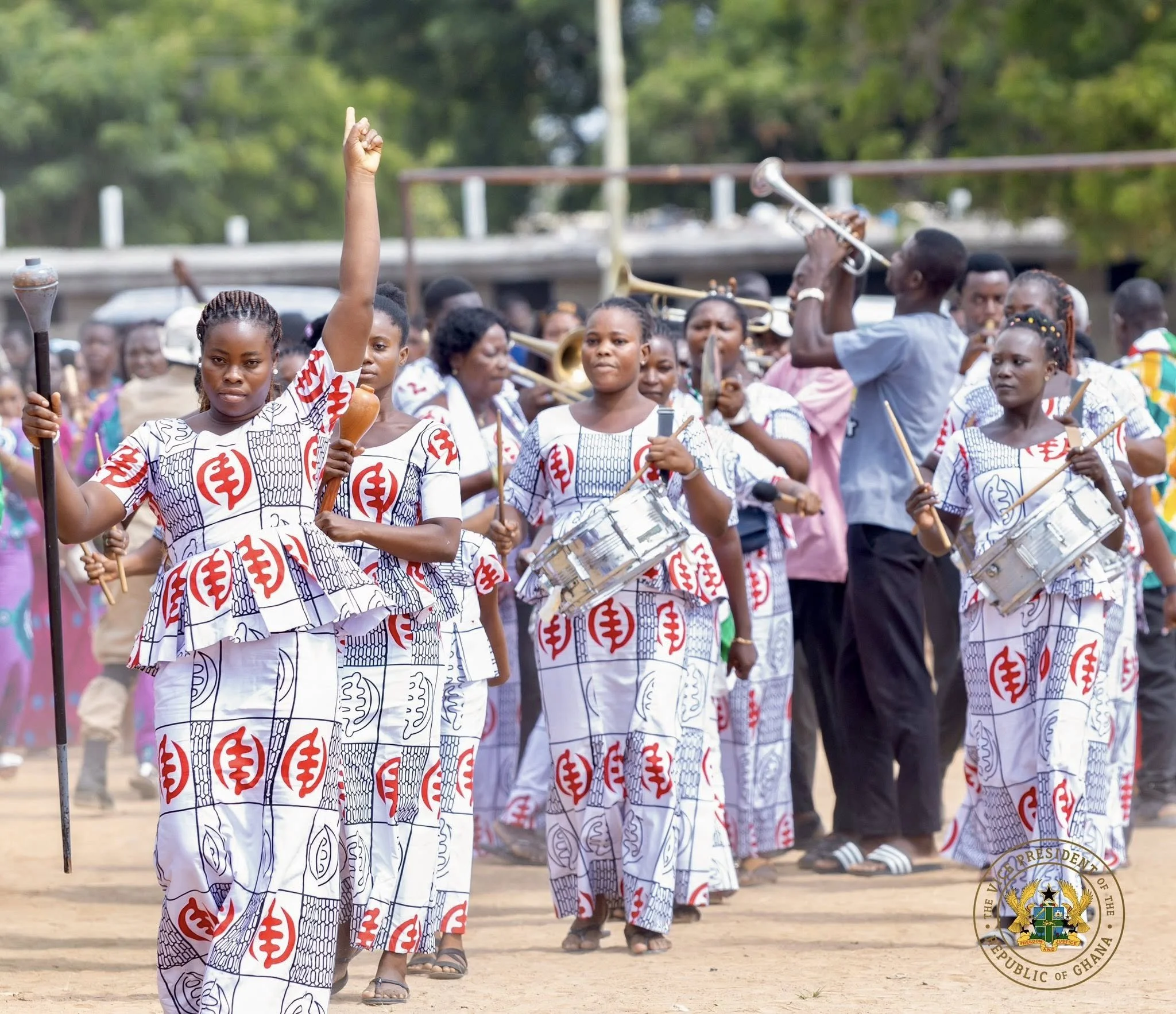
Photo via Jane Naana Opoku-Agyemang press team
By V. L. K. Djokoto
From the Ka xoxowo Salon
Upon the forty-fourth anniversary of that most consequential December day when the established order was most thoroughly upended, Ghana assembled once more in solemn observance. Her Excellency Professor Jane Naana Opoku-Agyemang, Vice President of the Republic, presided over proceedings with a grace and gravitas befitting the momentousness of the occasion — a gathering that transcends mere ceremonial obligation and demands we examine, with unflinching honesty, the very fabric of our national character.
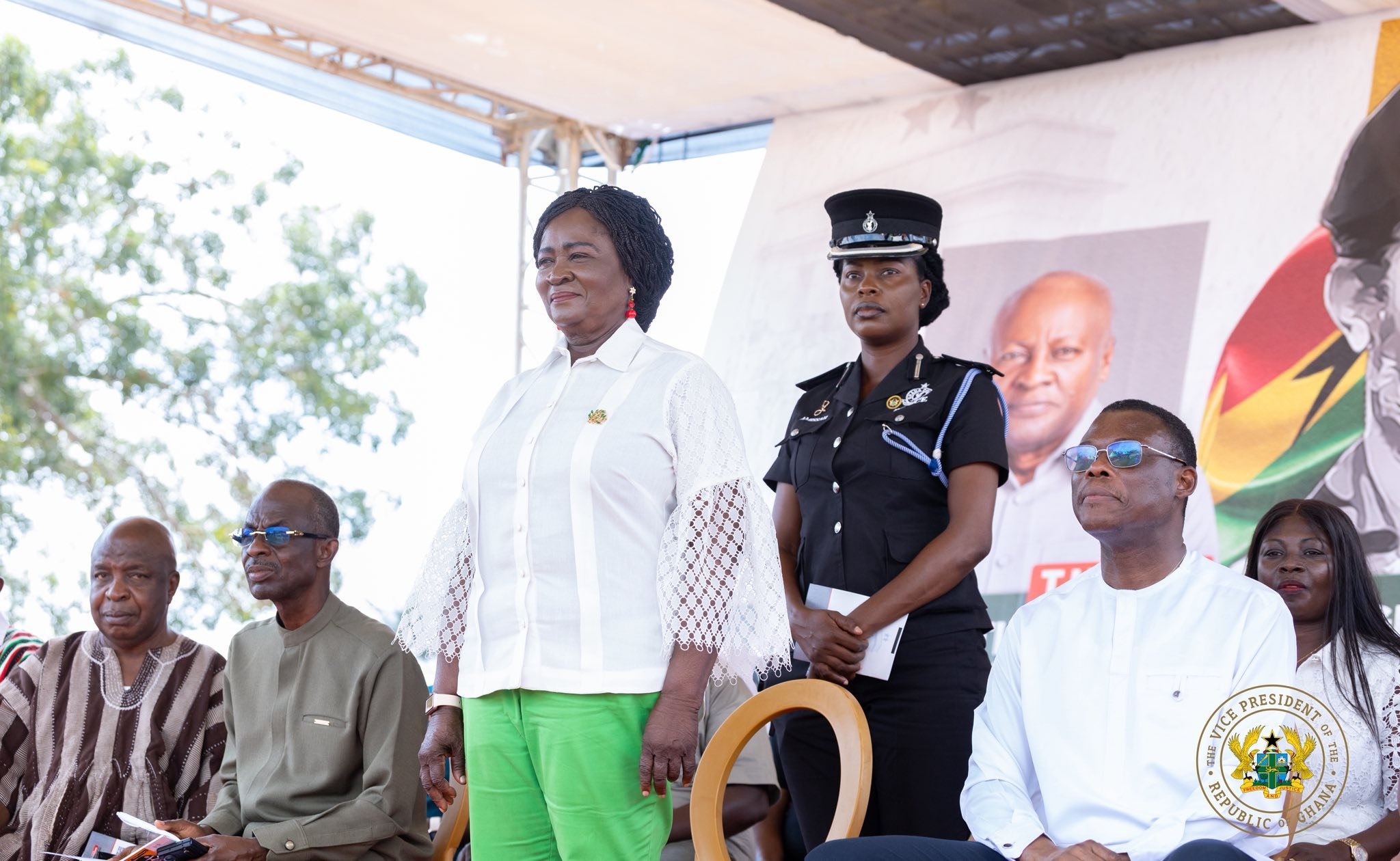
Photo via Jane Naana Opoku-Agyemang press team
The commemorative theme — "Consolidating the Reset Agenda: Reflections on the Gains of the 31st December Revolution" — carries the weight of covenants incompletely fulfilled, of noble aspirations yet to be wholly realized. For what, after all, is revolution but the most emphatic assertion that sovereignty resides with the people, that accountability constitutes not mere ornament but the very foundation of good governance, and that human dignity remains the inalienable inheritance of every citizen who draws breath beneath these West African skies?
Acting on behalf of His Excellency President John Dramani Mahama, Professor Opoku-Agyemang joined party faithful and citizenry alike in this annual pilgrimage to the wellspring of our democratic consciousness. Her presence itself speaks volumes: a woman of considerable letters and scholarly distinction standing at the very pinnacle of state power, embodying precisely the transformation that Flight Lieutenant Jerry John Rawlings and his compatriots dared envision when they seized the reins of history on that fateful December day in 1981.
The Vice President’s address carried the authority of one who comprehends that history comprises not merely what we choose to remember, but rather how we elect to remember it. She paid tribute not only to those architects whose names are inscribed in marble and textbook, but to the anonymous multitude — the rank and file, the ordinary citizens, the soldiers whose valour shall remain forever unrecorded in official chronicles. These nameless many, she observed most astutely, were animated by something altogether more enduring than personal advancement: a crystalline conviction in what best served the majority, in values that would propel Ghana toward her destined greatness.
In this particular act of remembrance, one discerns profound wisdom. For any nation that neglects its foot soldiers — those who surrendered not glory but blood, not recognition but unwavering conviction — is a nation that betrays its very foundations. The Revolution was never concerned with cultivating singular heroes, but rather with fostering a collective awakening, a national covenant inscribed in the vernacular of justice and sealed with the currency of sacrifice.
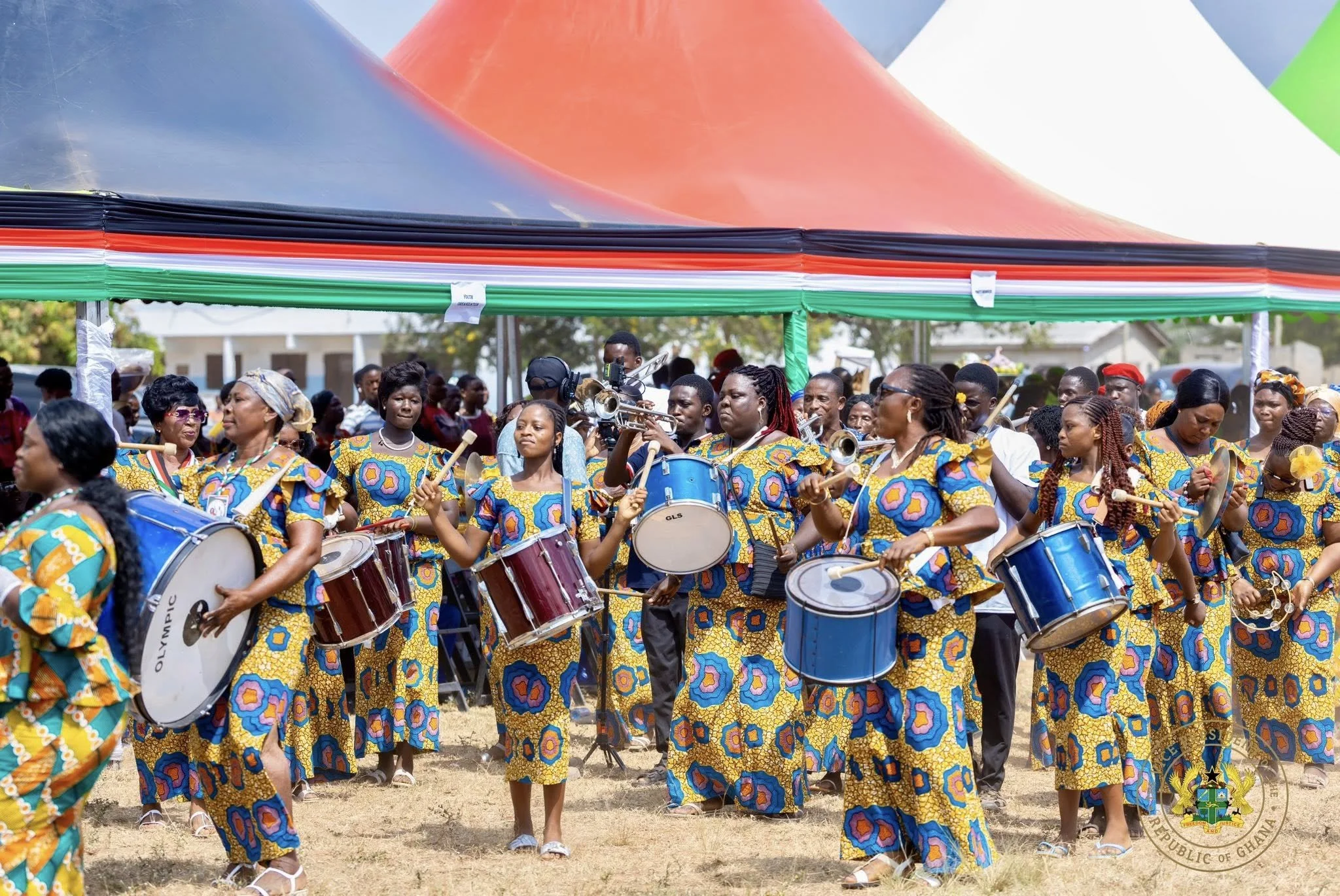
Photo via Jane Naana Opoku-Agyemang press team
Her Excellency conveyed the warmest felicitations from President Mahama, who extended to all Ghanaians wishes for a happy and contemplative New Year — a salutation that acknowledges the inextricable nature of celebration and introspection. She commended those who participated in the parade, reserving particular praise for the young people whose presence serves as living testament to continuity. These children, with their unspoiled perceptions and uncalcified spirits, remind us that the values we profess today must not wither with our generation, but must be most carefully cultivated, protected, and bequeathed as sacred inheritance to those who shall inherit this land.
As we stand upon the threshold of a new year, the Vice President’s remarks summon us to honest reckoning. The stability of our Republic — that most fragile and precious thing — depends not upon distant institutions alone, but upon each individual: how we conduct ourselves toward our neighbours, how we hold ourselves to account, how we remain steadfast in constructing a country that serves not the privileged minority, but every soul who calls Ghana home.
This, then, is the clarion call that resounds from this anniversary: we must stay the course, remain firmly rooted in truth, and maintain Ghana’s interests as paramount. The Revolution was not monument to personality but testament to possibility — the possibility that a nation might choose justice over expediency, accountability over corruption, the common weal over private gain. That duty, that most glorious burden, still rests squarely upon our shoulders today.
Advertisement
D. K. T. Djokoto & Co Advert
Let us therefore proceed together, united in purpose, guided by principle, committed to the sacred obligation of leaving Ghana in better condition than we found her. This constitutes not mere rhetoric but covenant, not wishful thinking but moral imperative of the highest order. For ultimately, a nation is judged not by the magnificence of its promises, but by the faithfulness with which it honours them.
The 31st December Revolution represented a commencement, not a conclusion. Its legacy resides not in the past but in how we elect to honour it in the present — in our daily determinations, our treatment of one another, our commitment to accountability and justice. Professor Opoku-Agyemang’s address, delivered with the authority of high office and the authenticity of genuine conviction, reminds us that we are all custodians of this unfinished revolution.
May we prove ourselves worthy of the trust reposed in us by those known and unknown heroes who dared to imagine a superior Ghana. May we possess the fortitude to confront our shortcomings whilst celebrating our blessings. And may we never forget that the true measure of a revolution lies not in how it commences, but in whether each successive generation renews its vows to the principles that gave it birth.
From the galleries of Ka xoxowo, where art and memory are most intricately intertwined, where the past addresses the future through the medium of the present, we bear witness: Ghana’s story continues to unfold, and we are all, every one of us, holding the pen.