
Life after IMF: Can Ghana stay the course?
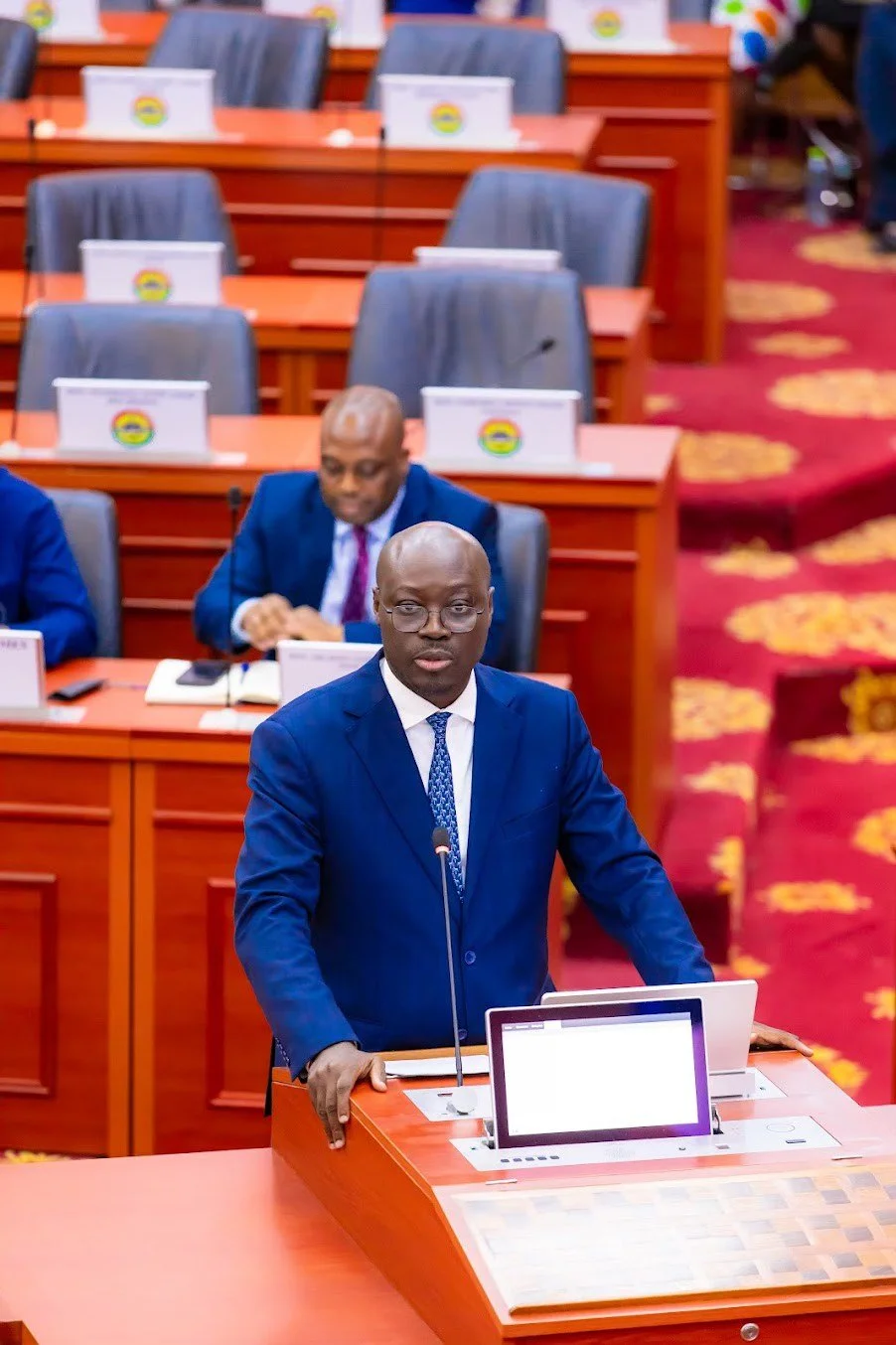
Ghana’s Finance Minister, Dr. Forson
Accra Evening News
Ghana has officially completed its three-year, US$3 billion programme with the International Monetary Fund, marking what government officials describe as a turning point in the country's economic recovery.
When Ghana entered the programme in 2023, the economy was grappling with soaring inflation, a depreciating cedi, rising public debt and declining investor confidence. Three years on, key indicators have improved considerably. Inflation has eased from record highs, foreign exchange reserves have strengthened, and the cedi has shown greater stability against major international currencies.
The successful completion of the programme has been welcomed by government, financial institutions and international partners alike. However, economists caution that the end of IMF oversight may prove to be the beginning of Ghana's biggest test.
The challenge now is maintaining fiscal discipline without the policy guardrails imposed by the Fund. Questions remain over government's ability to control expenditure, improve domestic revenue mobilisation and resist election-cycle spending pressures.
Analysts say sustained economic growth will depend on continued reforms, prudent borrowing and greater private sector participation. The ultimate measure of success will not be whether Ghana exited the IMF programme, but whether it can avoid returning to one.
For many Ghanaians, the hope is that the macroeconomic gains achieved under the programme will translate into lower living costs, increased employment opportunities and stronger household incomes.