
Accra Free Press Club
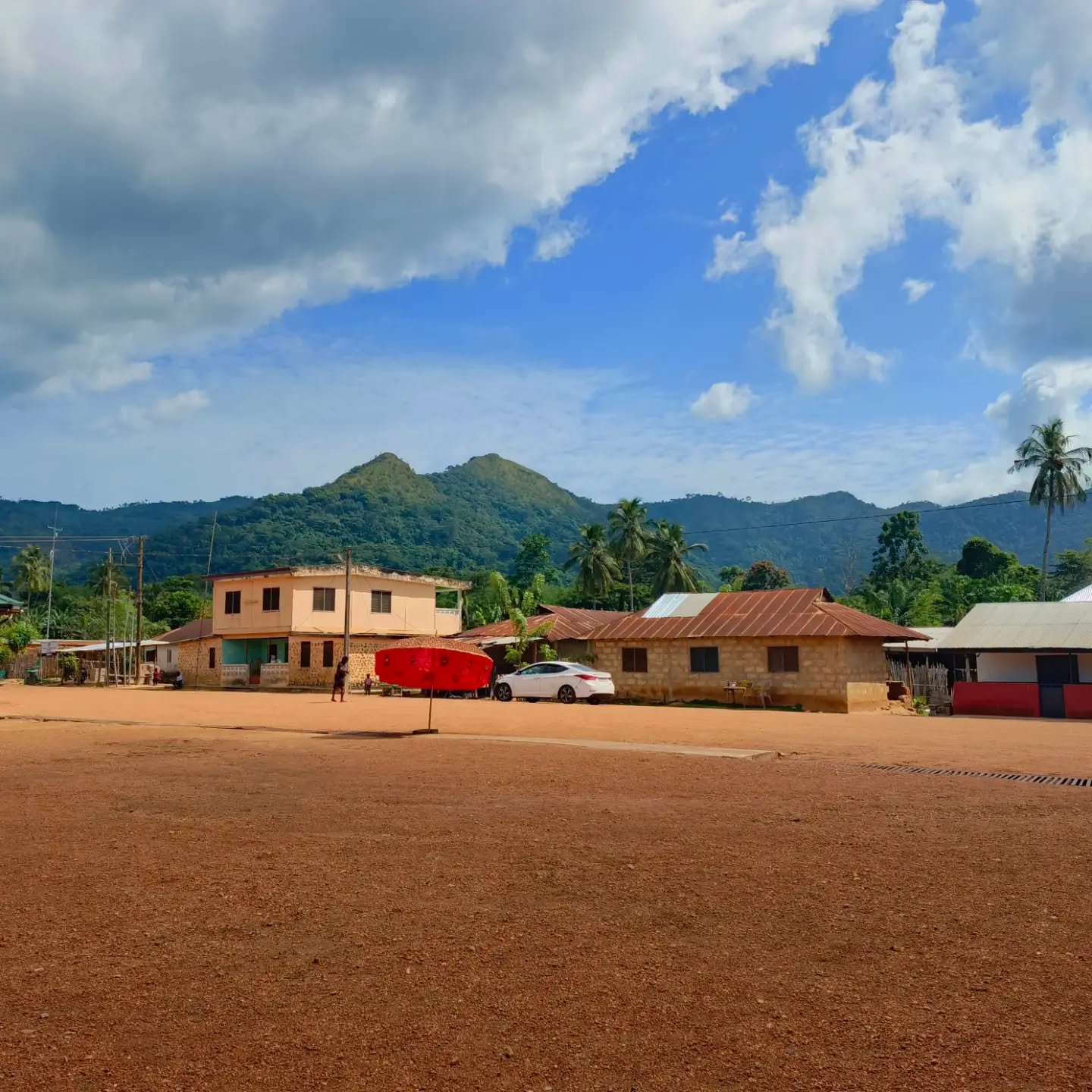
At the foothills of Mount Afadjato — Ghana’s highest mountain — the community of Liati Wote is demonstrating how traditional leadership, collective responsibility and environmental stewardship can work together to preserve natural heritage and create sustainable economic opportunities.
In Liati Wote, even livestock must observe community regulations. Goats, sheep and cattle are prohibited from roaming freely through the village, forming part of a broader set of locally established measures designed to maintain cleanliness and protect the community’s environment.
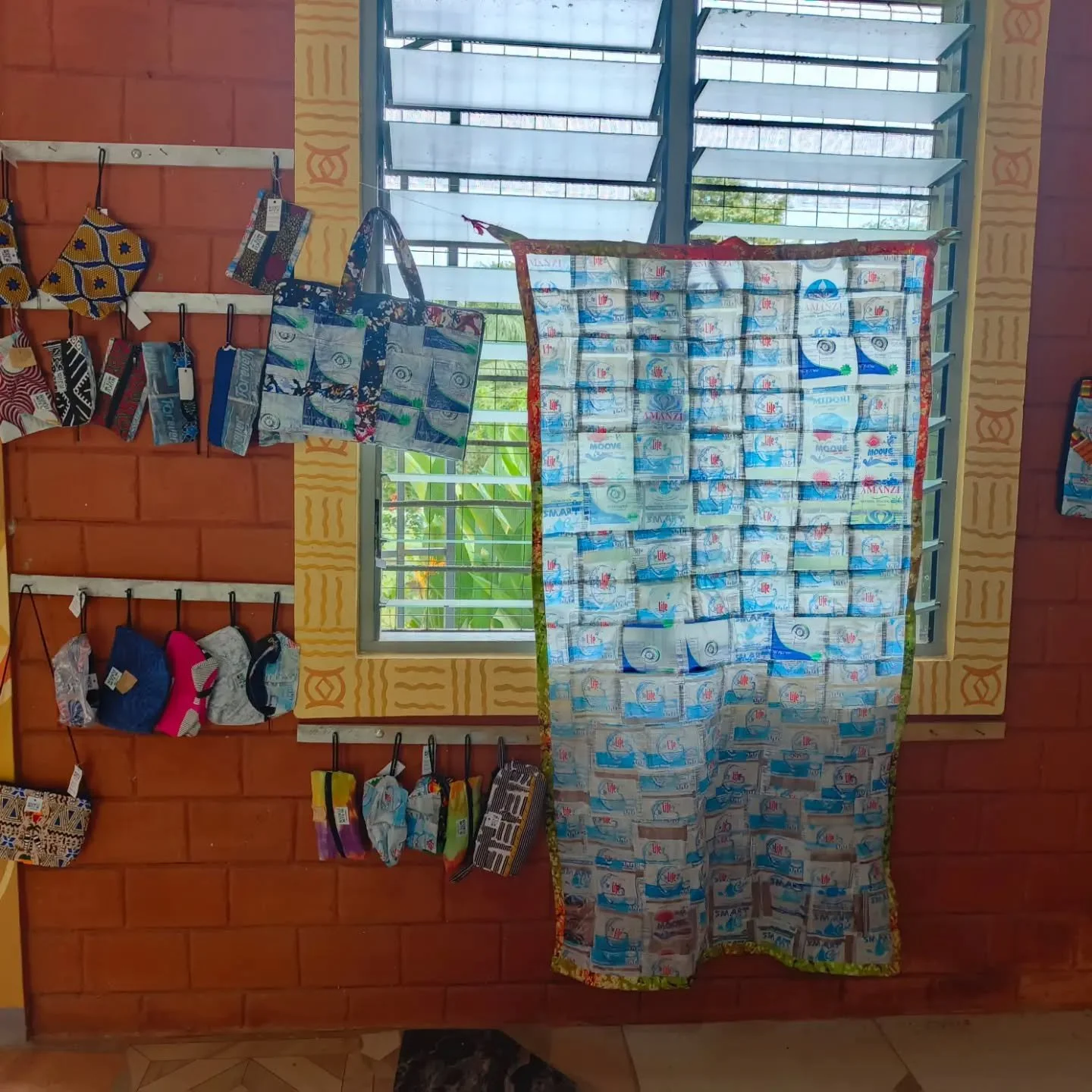
The village has installed waste bins at strategic locations, while hiking trails are regularly cleared of litter left by visitors. Through its Clean and Green Hub, plastic waste is transformed into bags, artwork and other useful products, giving discarded materials a second life while promoting environmental awareness. Green Clubs, tree-planting initiatives and community clean-up exercises further reinforce a culture of environmental responsibility among younger generations.
These initiatives were highlighted during a community durbar attended by the German Ambassador, H.E. Frederik Landshöft, as part of the German Embassy’s Environmental Diplomacy Project. Discussions underscored the importance of respecting traditional authority while recognising the corresponding responsibility of traditional leaders to advance the welfare and development of their communities.
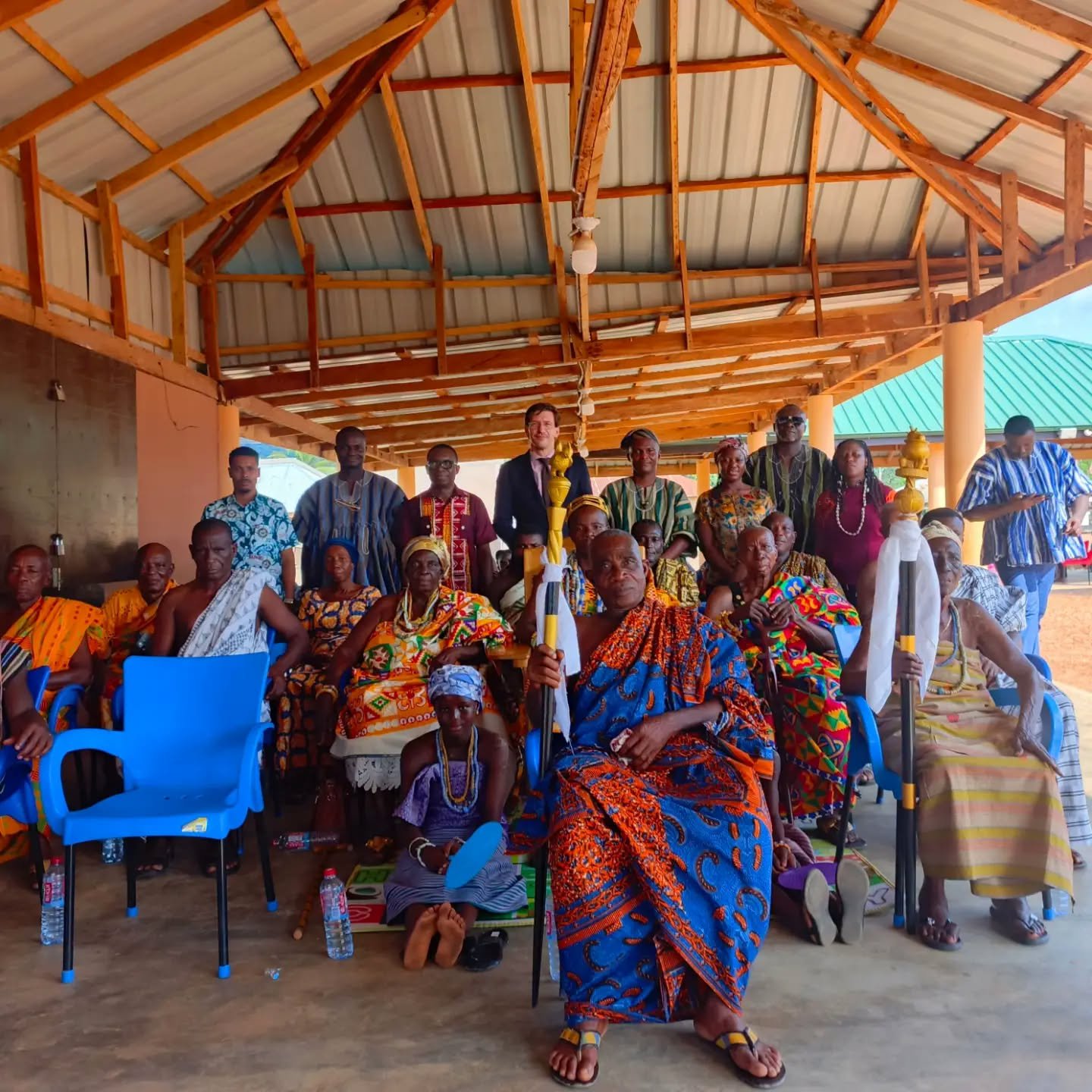
The visible transformation of Liati Wote reflects this shared understanding: environmental protection is not merely an institutional responsibility but a collective undertaking requiring leadership, discipline and active participation.
A significant contributor to this development has been Togbe Tudedzi I, also known as Apollo, of Jolinaiko Eco Tours, who has worked alongside the community for more than two decades. His contribution includes supporting the development of Tagbo Falls Lodge and the establishment of the Clean and Green Hub. In recognition of his longstanding commitment to community development, he was honoured with the title of Development Chief.
Liati Wote’s growing reputation as a destination for nature-based tourism is equally encouraging. Approximately 10,000 tourists visited the community last year, attracted by the natural beauty of Mount Afadjato, Tagbo Falls and the surrounding mountain landscape. Nevertheless, considerable opportunities remain to expand hiking, eco-tourism and other nature-based experiences.
Ambassador Landshöft’s visit included an additional day in the community, during which he climbed the Twin Mountains and experienced the spectacular views of the surrounding landscape.
The German Embassy expressed its appreciation to Togbe Kodadza V, Togbe Tudedzi I, his team and the entire Liati Wote community for their hospitality and commitment to environmental conservation.
Liati Wote offers an instructive example of what can be achieved when responsible traditional leadership, community participation and environmental sustainability are pursued as complementary development priorities. Its experience demonstrates that protecting Ghana’s natural heritage need not come at the expense of economic opportunity; rather, it can become the foundation upon which resilient communities and sustainable tourism industries are built.