
Ghana's Inflation Falls to a 27-Year Low as Prices Ease for 14th Month Running
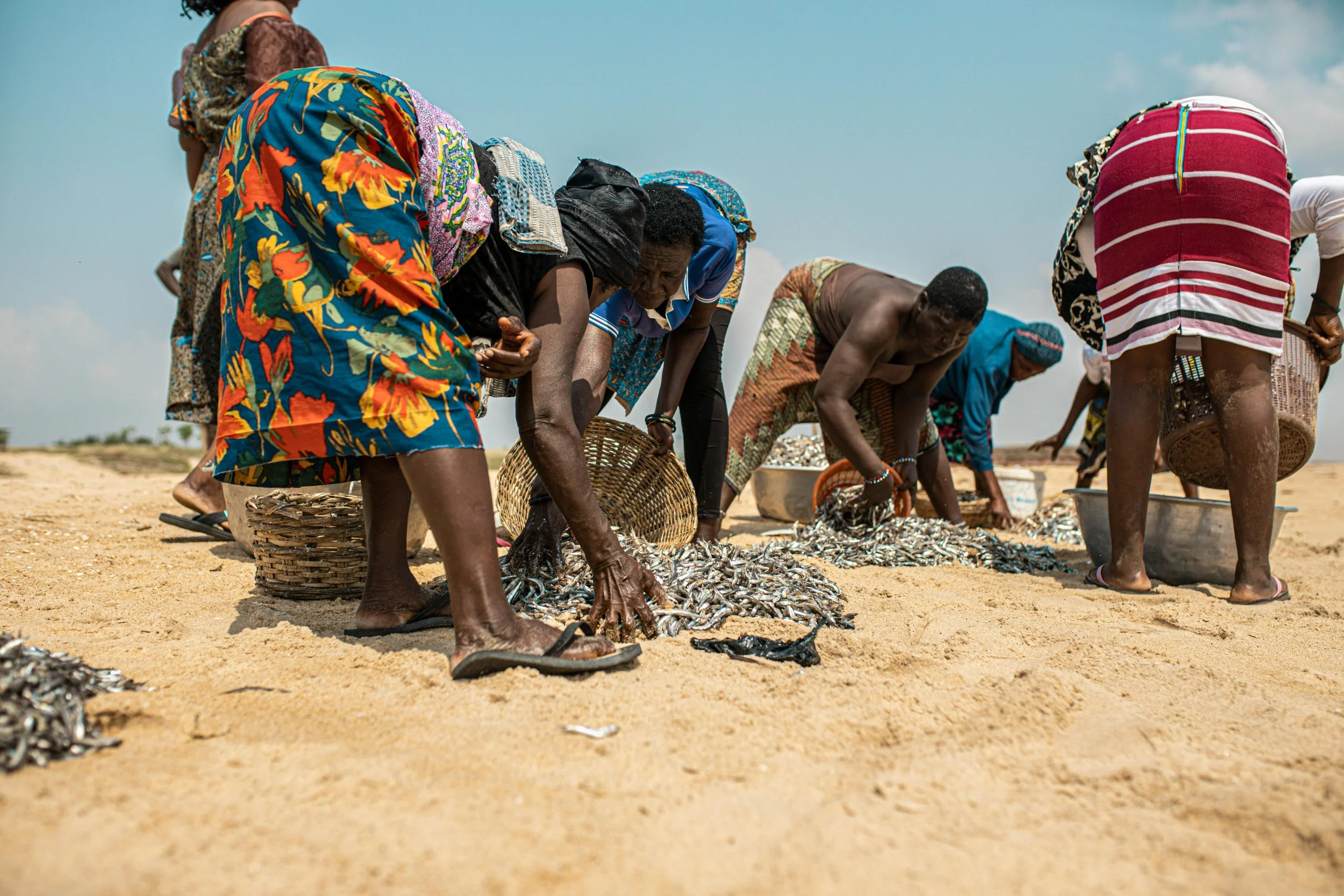
Photography by Emmanuel Oppong
Accra Evening News
Ghana's year-on-year inflation rate has eased further to 3.3 percent in February 2026, marking the 14th consecutive monthly decline — and, by any measure, a remarkable reversal of fortunes for an economy that, little more than three years ago, was grappling with prices rising at more than fifty percent per annum.
The figure is the lowest recorded since August 1999, when the rate stood at 1.4 percent, according to data compiled by Bloomberg from Ghana Statistical Service releases. For those who have lived through the inflationary turbulence of recent years, the significance of that benchmark will not be lost.
The February rate represents a 0.5 percentage point drop from the 3.8 percent recorded in January 2026, and a sharp 19.8 percentage point decline from the 23.1 percent posted in February 2025. On a month-on-month basis, prices rose by a modest 0.8 percent between January and February, suggesting that the pace of increase remains well contained.
Government Statistician Dr Alhassan Iddrisu, presenting the findings to journalists in Accra on Wednesday, struck a cautiously optimistic note, describing price pressures as now “lower, narrower and more stable" compared to a year earlier. He nonetheless urged that the gains not be taken for granted, calling for continued fiscal discipline and targeted supply-side interventions to sustain the disinflation trend.
The headline figure masked some divergence beneath the surface. Food and non-alcoholic beverages inflation slowed markedly to 2.4 percent in February, down from 3.9 percent in January, driven by declining prices for vegetables and cereals. Non-food inflation, however, edged upward marginally to 4.0 percent from 3.8 percent.
Perhaps the most striking sub-component was the performance of imported goods. Imported inflation dropped sharply to 0.6 percent from 2.0 percent in January, reflecting the continued stability of the cedi and moderating global prices. Locally produced items recorded inflation of 4.5 percent — still modest by historical standards, but a reminder that domestic price pressures have not entirely dissipated.
Housing, water, electricity and fuels remained the single largest driver of inflation, followed by food and education services. Transportation continued to exert downward pressure on the overall index.
The regional picture revealed familiar disparities. The North East Region recorded the highest inflation rate at 8.9 percent, whilst the Savannah Region posted outright deflation of 5.6 percent. Greater Accra, owing to its considerable weight in the CPI basket, contributed the largest share to national inflation.
The data bolsters expectations of a fifth consecutive rate cut from the Bank of Ghana, even as the ongoing conflict in the Middle East threatens to rekindle global price pressures and cloud the outlook. Since July 2025, the central bank has reduced its main lending rate by 12.5 percentage points, most recently cutting from 18 percent to 15.5 percent at its first meeting of the year.
The continued decline in inflation suggests easing price pressures across most sectors of the economy, reinforcing signs of macroeconomic stabilisation as Ghana moves further away from the high-inflation episode that defined so much of 2022 and 2023. Whether the trend can be sustained against an uncertain global backdrop remains the question that policymakers and households alike will be watching most keenly in the months ahead.